

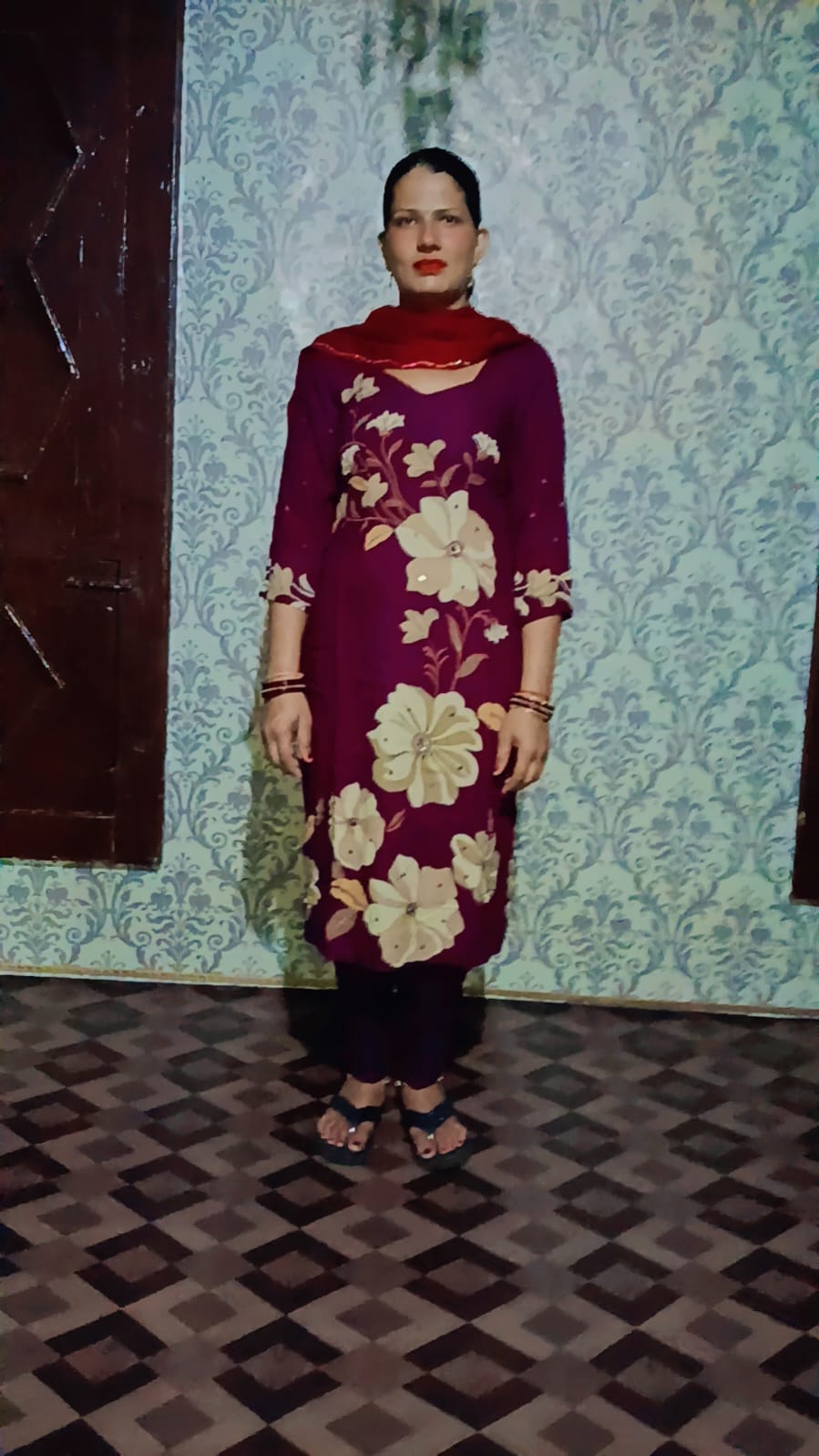
Priyanka is a creative professional working as an Art Director. Her professional identity is connected with visual storytelling, set planning, production design support, and scene presentation.
An Art Director works closely with directors, production designers, cinematographers, set decorators, prop teams, costume departments, and production crews.
The objective is not simply to make a location look attractive. The art direction should support the character, story, period, emotion, and overall visual language of the project.
Priyanka’s work contributes to this creative process by helping build environments that look appropriate and believable on screen.
The Role of an Art Director
An Art Director helps plan and supervise the visual elements required for production.
Depending on the size and structure of a project, an Art Director may work on:
Set planning
Location styling
Prop selection
Scene decoration
Background detailing
Colour coordination
Furniture placement
Art department management
Continuity of visual elements
Production design execution
The exact responsibilities can vary between films, television, music videos, advertisements, and digital productions.
The central responsibility remains the same: helping create a visual environment that supports the story.
Journey from 2021 to 2026
The period from 2021 to 2026 brought substantial growth in regional cinema, OTT productions, music videos, advertisements, web series, short films, and independent digital content.
This expansion created more opportunities for Art Directors and other visual-production professionals.
For Priyanka, this period can be viewed as a phase of creative development, practical learning, and professional growth.
Art direction is a field where experience plays an important role. Every project introduces different visual requirements, locations, budgets, schedules, materials, and production challenges.
Through continued work, an Art Director learns how to convert creative concepts into practical environments while maintaining both visual quality and production efficiency.
Importance of Art Direction in Storytelling
Art direction is one of the strongest elements of visual storytelling.
A room, street, office, house, village, studio, or commercial location can communicate significant information about a character before any dialogue is spoken.
For example, the objects inside a character’s home can indicate:
Social background
Profession
Lifestyle
Personality
Culture
Financial situation
Interests
Emotional state
Good art direction therefore does more than decorate a frame. It provides context to the story.
Priyanka’s role as an Art Director contributes to this visual layer of storytelling.
Creative Vision and Visual Detailing
Strong art direction depends heavily on attention to detail.
A background may contain furniture, posters, photographs, fabrics, books, wall textures, decorative items, practical lights, and personal objects. Each element should feel consistent with the character and environment.
Priyanka’s work as an Art Director requires understanding how these individual details combine into a complete frame.
The strongest art direction often feels natural enough that the audience does not consciously notice it. Instead, the environment simply feels believable.
Working with the Director
The director establishes the creative vision of the project, while the Art Director helps translate part of that vision into physical environments.
Before production begins, discussions may focus on:
Story requirements
Character backgrounds
Location references
Colour palettes
Set concepts
Period details
Visual references
Production limitations
Priyanka’s role requires understanding these requirements and finding practical ways to execute them.
Good communication between the director and art department can significantly improve the consistency of the final visual style.
Collaboration with the Cinematography Team
Art direction and cinematography are closely connected.
A set may look attractive in person but behave differently when viewed through a camera. Lighting, framing, lenses, colour, and depth all affect how the environment appears on screen.
For this reason, an Art Director often works closely with the Director of Photography and lighting department.
Priyanka’s work involves considering not only how the set looks physically but also how it will appear inside the camera frame.
This coordination helps create stronger visual composition and more consistent production design.
Working Under Production Constraints
Creativity is only one part of professional art direction.
Art Directors also work within real-world constraints such as:
Limited budgets
Tight schedules
Location restrictions
Material availability
Transportation requirements
Labour availability
Last-minute script changes
A concept may be ambitious, but it still needs to be built, transported, dressed, maintained, and sometimes removed within a limited period.
Priyanka’s role therefore requires practical decision-making alongside creative thinking.
The ability to achieve strong visual results within available resources is an important professional skill.
Behind-the-Scenes Contribution
Art Directors primarily work behind the camera, but their contribution appears throughout the finished project.
Before filming begins, the art department prepares the environment. During shooting, the team may adjust props, repair sets, maintain continuity, and respond to changes requested by the director or cinematographer.
A strong art department allows actors and filmmakers to work inside an environment that feels complete.
Priyanka’s work represents this important behind-the-scenes contribution to screen production.
Leadership and Team Coordination
Art direction frequently involves managing several people and departments.
Depending on the production, an Art Director may coordinate with:
Set decorators
Set makers
Carpenters
Painters
Prop teams
Graphic artists
Production assistants
Location teams
Vendors
Clear communication and planning are therefore essential.
Priyanka’s role requires balancing creative requirements with schedules, budgets, and practical execution while keeping the art team aligned with the larger production plan.
Building a Professional Identity
The entertainment industry is highly competitive, and recognition for behind-the-scenes professionals often develops through project credits, portfolios, professional relationships, and consistent execution.
To strengthen her professional identity, Priyanka can maintain:
Updated IMDb profile
Verified Art Director credits
Set design portfolio
Behind-the-scenes photographs
Before-and-after set images
Professional social media profile
Short professional biography
Interviews or media features
Project links
These materials allow directors, producers, production designers, and production houses to evaluate her work more easily.
Digital Presence and IMDb Visibility
Digital visibility has become increasingly important for film-industry professionals.
Directors and producers frequently search crew members through Google, IMDb, Instagram, LinkedIn, and portfolio platforms before beginning collaborations.
For Priyanka, maintaining a clear digital identity is particularly important because the first name alone matches several entertainment professionals.
Using her full professional name consistently across IMDb, social media, portfolios, and published articles can help reduce identity confusion and create a stronger search presence.
Future Scope
Demand for professional Art Directors continues across films, OTT series, television, advertisements, music videos, branded content, and independent productions.
As visual standards increase, production teams require professionals who can combine creative design with practical execution.
For Priyanka, future professional growth can come through larger productions, stronger collaborations, verified credits, portfolio development, and consistent public visibility.
Experience across different genres and production formats can also broaden her opportunities within production design and art direction.
Conclusion
Priyanka’s journey as an Art Director reflects creativity, visual understanding, teamwork, and commitment to screen production.
Art direction plays an important role in building the physical world surrounding a story. From set planning and prop placement to location styling and visual continuity, each element contributes to the audience’s experience.
Priyanka’s work belongs to this behind-the-scenes creative process, where strong design and practical execution come together to support storytelling.
As she continues to develop professionally, Priyanka can strengthen her identity as an Art Director through consistent work, verified credits, and a portfolio that clearly demonstrates her contribution to visual storytelling.